
Covid 19 – How to Perform in the Storm
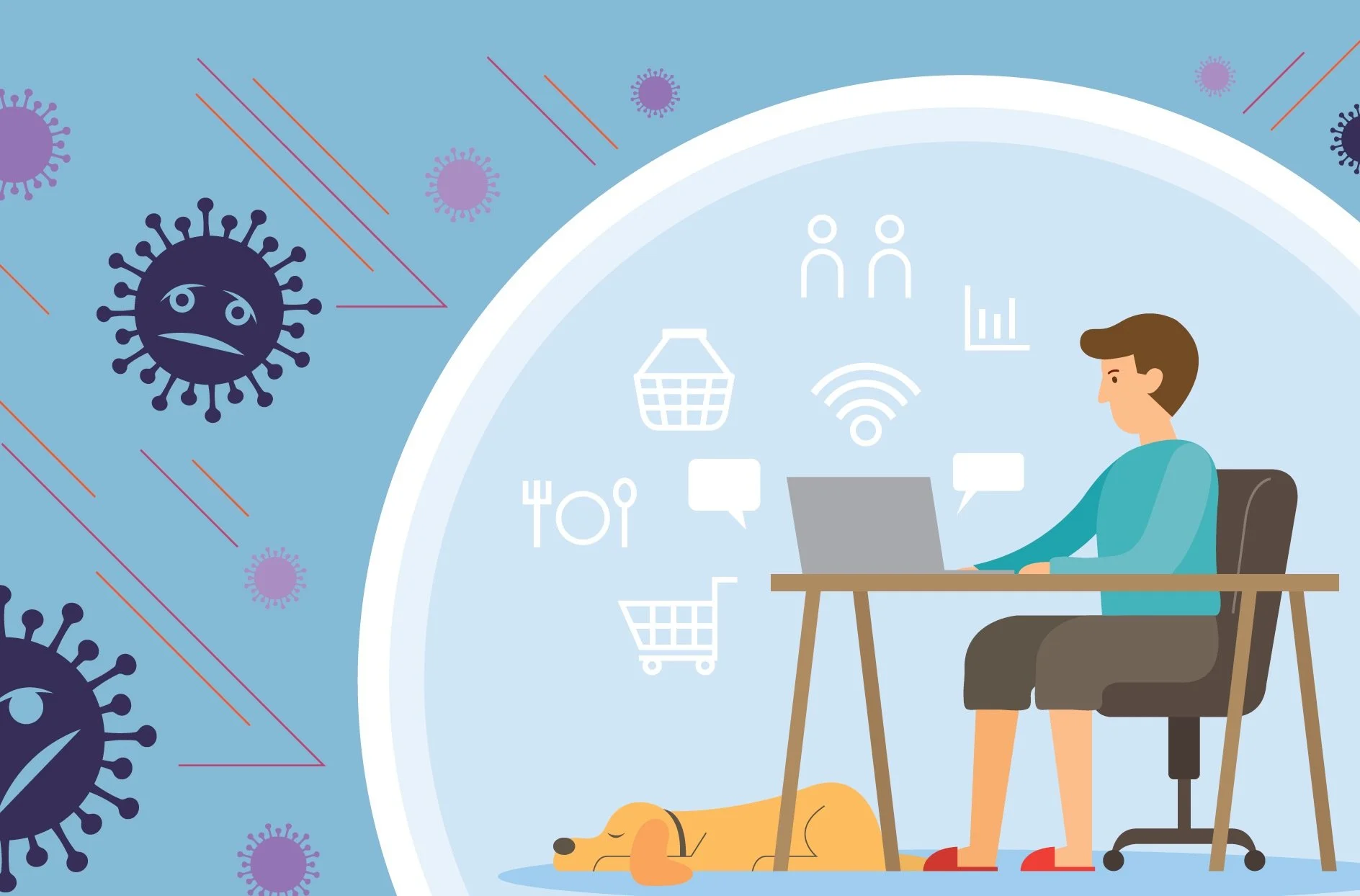
The pandemic and our response to it means that the norm is no longer the norm. Organisations need to respond by focusing their efforts around three areas:
- Dealing with today
- Planning for the future
- Transforming for the new norm
Organisations need to get the right balance of keeping the business alive today, whilst preparing for how they will come out of lockdown into a fast-evolving world.
Dealing with today
Organisations need to quickly refocus their efforts onto what they must do now to survive the current lockdowns and uncertainty, and to come out as healthy as possible. This means:
- Rebalancing budgets to protect short and long term cash flow
- Embracing remote working, ensuring that people have the right tech and working guidelines to be productive from home
- Redirecting the workforce to what is important now, not what was important before
- Strengthening digital channels (customer facing and for internal operations)
- Safeguarding employees and customers from the COVID 19 threat
- Making rapid org changes to support your new ways of working and situation. This includes making very quick decisions on furloughing or even letting some of your workforce go. These are big decisions, but they do need to be made quickly
Planning for the future
Organisations need to be ready to perform once the lockdown is over. This requires leaders to define ‘highly adaptive’ plans that will evolve as the new norm takes shape. Questions that need to be answered include:
- How far can the firm move to Remote First Working?
- How best to ensure workers and customers are safeguarded in the new norm?
- What does the new op model (including org design) look like? Do divisions or companies need to be shut down? Is the company right sized for the expected levels of demand in the coming year?
- How can the organisation rapidly scale up and down as lockdown is eased and potentially then reinforced?
- What new mid to long term budgets best balance risk against potential gains?
- What needs to change to maximise existing or new revenues?
- If funds exist, what M&A opportunities will there be?
Transforming for the new norm
As we start to come out of lockdown, the transformation steps can begin in earnest. These steps are necessary to reposition and restructure the organisation to succeed in the new world.
For some firms the focus is about down sizing; for others it’s about redirecting activities to new channels and ways of working; and for those fortunately enough to have the cash funds, it’s about M&A opportunities.
To transform, organisations need to ensure they have the funds and capacity to do this. It needs to happen fast, but equally needs to be done well.
Assuming that people can do this alongside their day jobs is wishful thinking. Have dedicated people to make this happen, and bring in external help when necessary.

Related posts
Dive in more with our related insights.