
Insights from The Digital Transformation conference

Earlier this month, members of Enfuse Group attended The Digital Transformation Conference #DIGTRA in London.
Expert speakers from across industries delivered a wide range of excellent presentations across two stages during the day. The presentations covered topics including AI, people & culture, process, sustainability, and customer centricity.
As a digital transformation consultancy, these are topics we discuss with our clients on a regular basis – so it was great to see the speakers go into so much detail. Some of the team’s highlights of the conference and key takeaways are shared below.
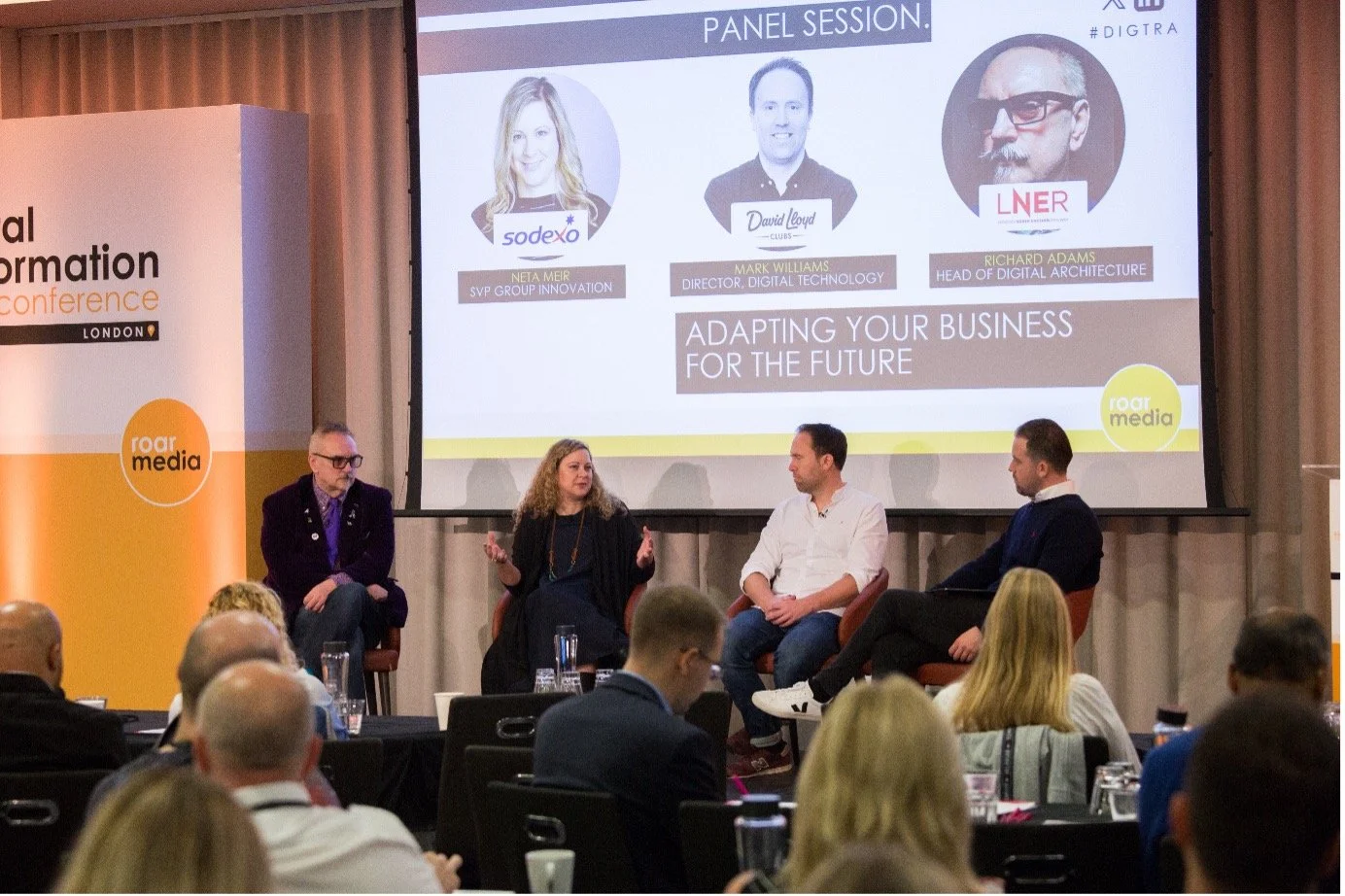
AI is here but it might not be the right choice, right now, for your organisation.
AI has been identified as a key driver of digital and business transformation. Nick Hodder (Assistant Director of Digital, Imperial War Museums) shared his views on where AI is today, where it’s going in the next few years, and whether now is the right time for organisations to start adopting AI technology.
Whilst AI is progressing all the time, it might not quite be ‘prime time’ for AI just yet and organisations should consider this before consuming and adopting AI technology right now. Instead, organisations should start preparing for how they might consume AI in the coming years and consider the implications on matters like their own data, as well as their customers’ data.
Another recognised point of interest was the role of large language models (LLMs) such as ChatGPT and how they may become the preferred alternative to search engines in the near future.
AI is here but it might not ‘click’ for a few years yet. When it does, there will be huge opportunities. However, today is the time to be starting conversations around how it will impact future digital strategy in organisations.
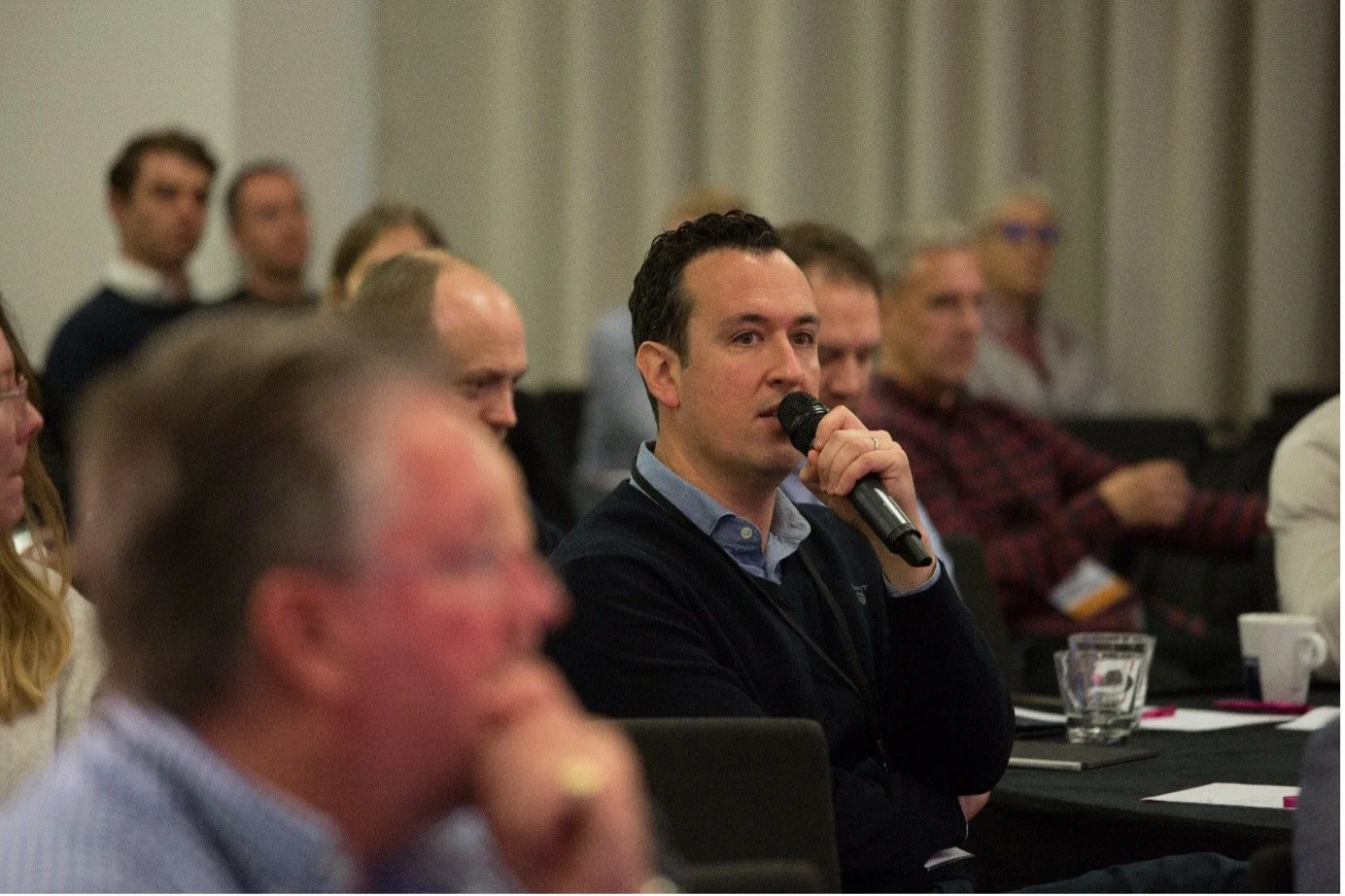
Focus on sharp problems and build off the back of them.
Sometimes we focus too much on generating new ideas to solve a problem that isn’t there, rather than identifying and addressing existing problems first. Mark Williams (Director of Digital, David Lloyd Leisure) explained how his team look to find ‘sharp’ problems. Once these have been identified, they seize the opportunity, find the ideal customer profile (ICP) and the ’zone of benefit’ – you should look to address at least one of the following, to maximise your zone of benefit:
- Does it save the customer time?
- Does it reduce frustration?
- Does it save the customer money?
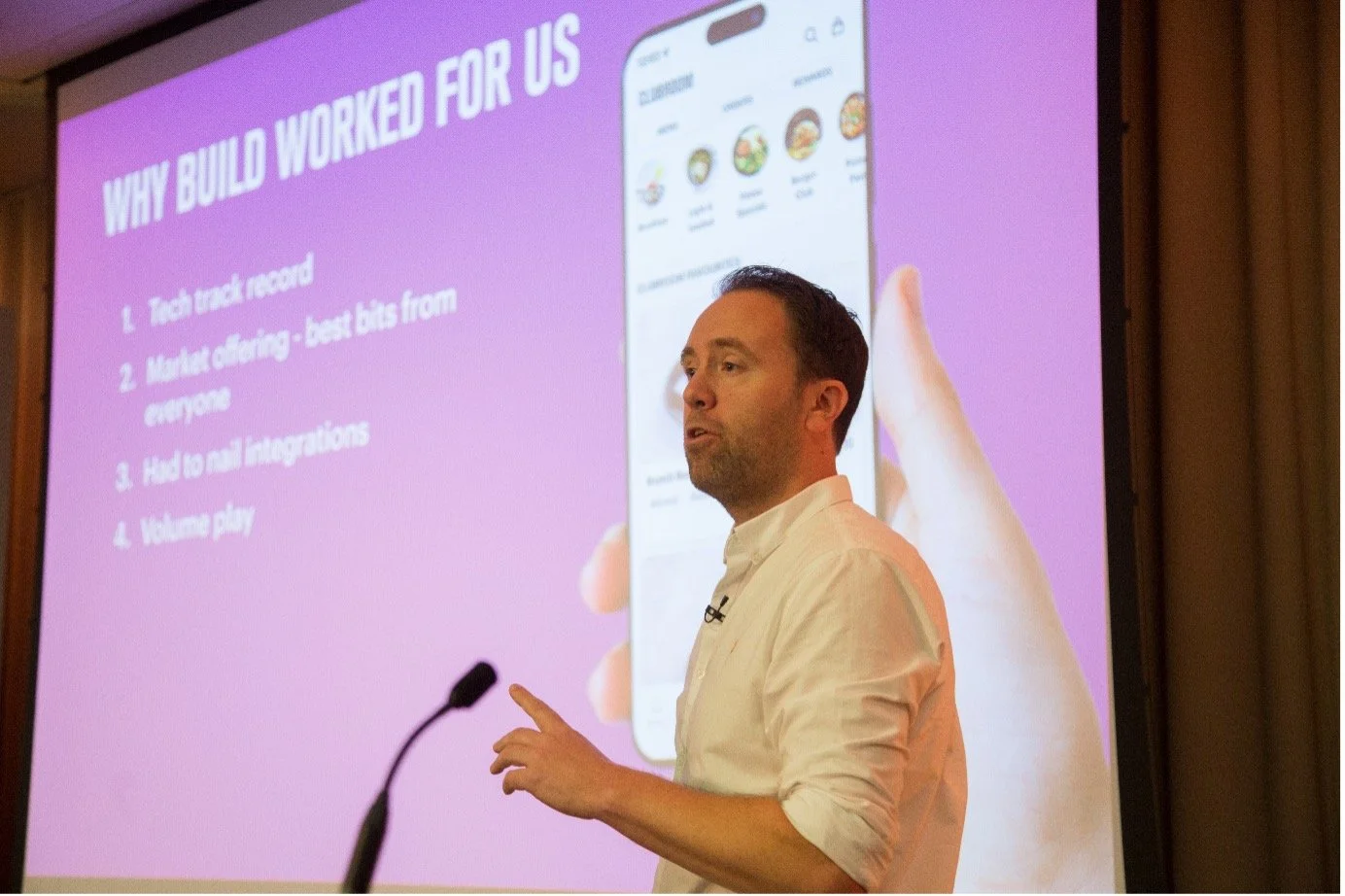
The target experience improvement of your solution to your sharp problem should be 200% better than what exists today. Mark shared how his team at David Lloyd had alleviated frustrations in ordering food and drink at David Lloyd restaurants by building their own application (as opposed to buying). Key reasons for building the application were owning the data, improving the customer experience and having ownership of the application roadmap. Since its launch, the app is now taking 33% of all orders and has increased average basket value by 8% vs orders at the till. He called out several lessons learnt from the process such as understanding impact on operational teams and losing focus from the problem you’re try to solve.
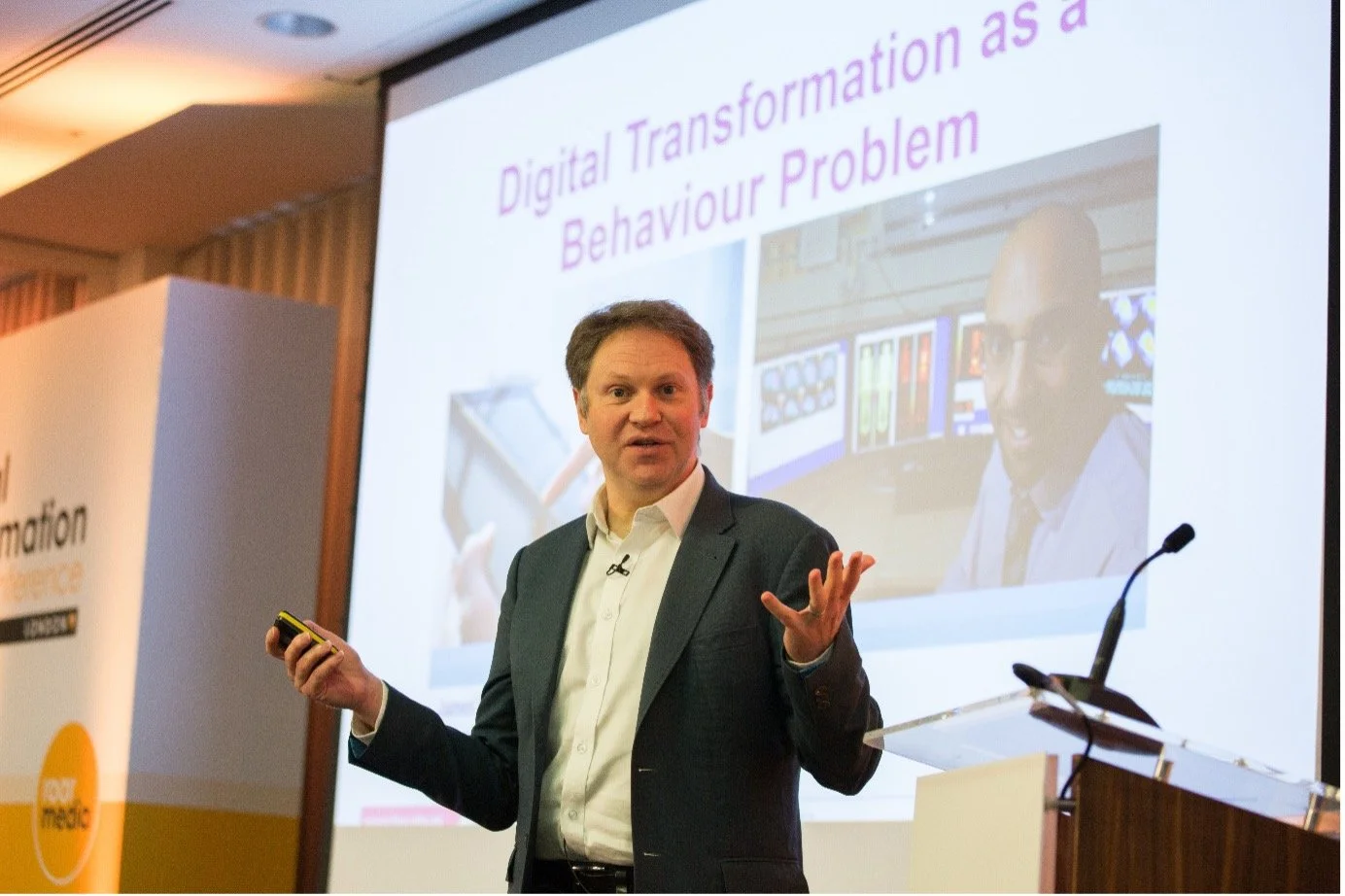
Digital transformation as a behavioural problem, not technology
How often have you gone through an extensive process to find the ‘right’ technology solution during a digital transformation programme? The answer is probably longer than we’d like to admit. Then a few months down the line, the technology hasn’t been adopted widely and it’s not delivering the outcomes that were expected! Did we pick the ‘wrong’ technology?
Maybe not, argues James Freed (Deputy Director, NHS Digital Academy), who sees digital transformation as a behavioural problem. Studies show almost 3 in 5 digital transformation programmes fail for culture & people reasons, with just 1 in 5 failing due to the technology. In general, the choice of technology does not impact satisfaction. It’s essential to equip people with the right skills and information to adopt the change.
Within the NHS, Freed’s aim is to get people equipped with the right digital skills, to ensure digital transformation programmes can be successful. By 2030, 90% of people working in the NHS and Social care will need to have a full set of digital skills. If people don’t have the skills and information, the choice of technology won’t matter.
Summary
Digital transformation remains as important as ever and could soon be further accelerated by AI. Whilst we might not be ready for wide scale adoption just yet, it is certainly on the horizon and organisations should be having conversations today on how it will impact future strategy. Ensuring you understand the needs of your customers is as relevant as ever, and we should be seeking to put the customer at the heart of everything we do. Finally, ensure your people have the right digital skills and behaviours, as they will be key to delivering a successful digital transformation programme.
Enfuse Group is a leading digital transformation consultancy who helps many of the world’s largest businesses solve their biggest challenges and improve their capability maturity. We’re here to help. To find out more about these insights or how we could help support you, please get in touch.

Related posts
Dive in more with our related insights.