
Insight
Insight
Insight
Strategy & Operating Model
Insight
Strategy & Operating Model
Insight  |  1 min

Behavioural scientists and designers create the font you can remember
Published
October 13, 2018
Author
Graeme Curwen
Tags

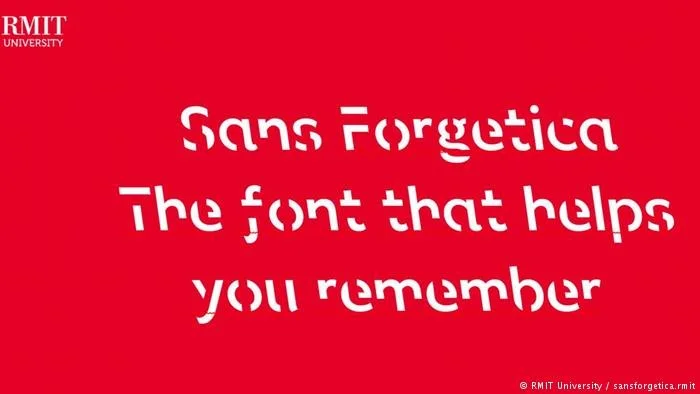
Sans Forgetica is probably not a typeface you have heard of before, but it is certainly one you are less likely to forget now you have. It was created by a multidisciplinary team of designers and behavioural scientists from RMIT University with the goal of helping the reader to remember what they just read. The font makes your brain work harder to read what has been written, thereby forcing you to take greater notice and commit to memory. Imagine how this can be of use to any marketing department striving to get people to remember their messaging better. The typeface can be downloaded here: http://sansforgetica.rmit/

No items found.

Related posts

Dive in more with our related insights.

Insight
|
5 min read

The realities of AI at work: Recap of the Work AI Index Report and why AI productivity gains are failing to reach the organisation

AI is saving workers time, but not always improving business performance. This insight explores why hidden effort, poor work design and weak oversight are limiting AI’s impact – and what leaders must do to unlock real value.

Insight
|
2 min read

Leadership Lens: Danny Bathmaker on Digital Transformation, Value Creation and the Future of AI

Danny Bathmaker, VP of the Office of the CIO at Inchcape Shipping Services, shares insights on leading global technology transformation, creating business value through modernisation, and preparing for the opportunities presented by AI and automation.

Insight
|
4 min read

Global transformation moves fast. Behavioural change rarely does.

A global maritime organisation set out to modernise time‑critical communication across 60+ countries. While a new shared‑inbox platform brought automation and visibility, the real challenge was shifting long‑established behaviours around ownership and ways of working. A globally consistent but locally sensitive change approach focused on confidence and enablement rather than speed. Over 2,000 users transitioned successfully, reducing duplication, improving handovers and delivering more consistent customer communication - proving that sustainable transformation depends as much on behaviour as technology.